
Shopping for a baby can feel like a full-time job. You walk into a store (or open a tab online), and suddenly there are 47 “must-have” creams, washes, balms, lotions, and wipes. And of course, they all claim to be gentle, clean, and magical. If you’re looking for baby skincare products in Washington DC, you’ve probably noticed the same thing. The choices are endless, and the labels can be a little dramatic.
Start With This Truth: Baby Skin Is Not “Tiny Adult Skin”
Baby skin is thinner than adult skin. It loses moisture faster. It also reacts faster.
That’s why babies can go from “perfectly fine” to “why is there a rash there?” in one day. Their skin barrier is still developing, and it needs gentle support, not heavy layers of products.
If you take only one thing from this blog, let it be this:
“A baby’s skincare routine should be simple enough to follow when you’re exhausted.”
Because you will be. And that’s normal.
The Real Goal of Baby Skincare (It’s Not a Glow-Up)
Baby skincare is not about fancy results. It’s about comfort.
A good baby routine does three things:
Cleans without stripping
Keeps moisture in
Protects from irritation
That’s it. If a product doesn’t help with one of those, it’s probably optional.
What a Baby Actually Needs
Here’s where most parents get trapped. They assume babies need a lot because there’s a whole aisle for it. But in reality, most babies do great with a short list.
The “need” list is small. The “nice to have” list is where things grow.
Also, a quick reality check: if your baby’s skin looks good, you don’t need to fix it.
The Essential Routine: Keep It Simple
For most babies, a basic routine looks like this:
Bath time
2 to 3 times per week is enough for most babies
Daily bathing can dry out skin, especially in colder months
Cleanser
Use a mild, fragrance-free cleanser
Avoid harsh foaming washes
Moisturizer
Apply after bathing, while skin is still slightly damp
Choose a simple formula, not a long ingredient novel
Diaper care
Use barrier protection when needed
Treat irritation early, not after it becomes angry
If your baby has eczema, cradle cap, or frequent rashes, that’s a different plan. More on that soon.
What to Look for on Labels
You don’t need to memorize ingredients. But you should know what matters.
A baby skincare label should feel boring. That’s a good sign.
Look for:
Fragrance-free (not just “lightly scented”)
Minimal ingredient list
Gentle oils and butters
Products made for sensitive skin
Be cautious with:
Strong essential oils
Heavy perfumes
Alcohol-heavy formulas
Overly complicated blends
And yes, “natural” is not automatically safe. Poison ivy is natural too.
When Skin Problems Show Up (And How to Handle Them)
Now let’s talk about the common stuff. Because babies do not read the rulebook.
Dry patches
Often caused by frequent bathing, cold air, or low humidity. Use a thicker moisturizer and reduce bath frequency.
Eczema
Common in babies. It can look like red, itchy, rough patches. Moisturize consistently and talk to a pediatrician if it flares.
Diaper rash
Usually from moisture and friction. Change diapers often, let skin air out, and use a barrier cream.
Cradle cap
Scaly patches on the scalp. A gentle oil massage and soft brushing can help. No need to panic.
Here’s the best approach: treat early and gently. The longer irritation sits, the harder it is to calm down.
A Quick Checklist of What’s Worth Buying
The “Keep It Real” Baby Skincare Kit
Gentle cleanser (or a mild soap)
Basic moisturizer
Barrier cream for diaper area
Soft washcloths
Optional: balm for extra dry spots
That’s it. That’s the kit.
No 9-step skincare routine. No baby serum. No “night cream.” Your baby does not need to be moisturized like a celebrity.
Smart Add-Ons That Can Actually Help
This is where parents often ask: “Okay, but what about the extras?”
Some extras are useful, especially depending on weather, skin type, and lifestyle.
Helpful add-ons include:
A thicker balm for winter dryness
A soothing oil for massage (if baby tolerates it)
A gentle baby shampoo (if hair is thicker)
A fragrance-free wipe alternative for sensitive babies
If you’re shopping for the best baby skincare products, the best ones are usually the simplest ones. The ones that keep baby comfortable and don’t cause reactions.
That’s the win.
Signs Your Baby Skincare Routine Is Working
Baby skin feels soft, not tight
No redness after bathing
Dry patches improve over a few days
Diaper area stays calm most of the time
You’re not constantly switching products
If you’re checking most of these boxes, you’re doing great.
The “Less Is More” Rule
Here’s a little secret: many baby skin issues come from trying too hard.
Too many products can overwhelm baby skin. Too many new formulas can make it hard to know what caused a reaction. And too many scented items can irritate even healthy skin.
A simple routine also helps you troubleshoot. If you’re using only 2 to 3 core products, you’ll know what’s working.
How to Choose Products Like a Pro
Try this method:
Start with one cleanser and one moisturizer.
Use them for 2 weeks.
Watch for dryness, redness, or bumps.
Add only one new product at a time.
This is also how many skincare professionals test routines. You don’t need to guess. You can observe.
And if you’re thinking, “I don’t have time for that,” you’re right. That’s why simple wins.
Final Remarks
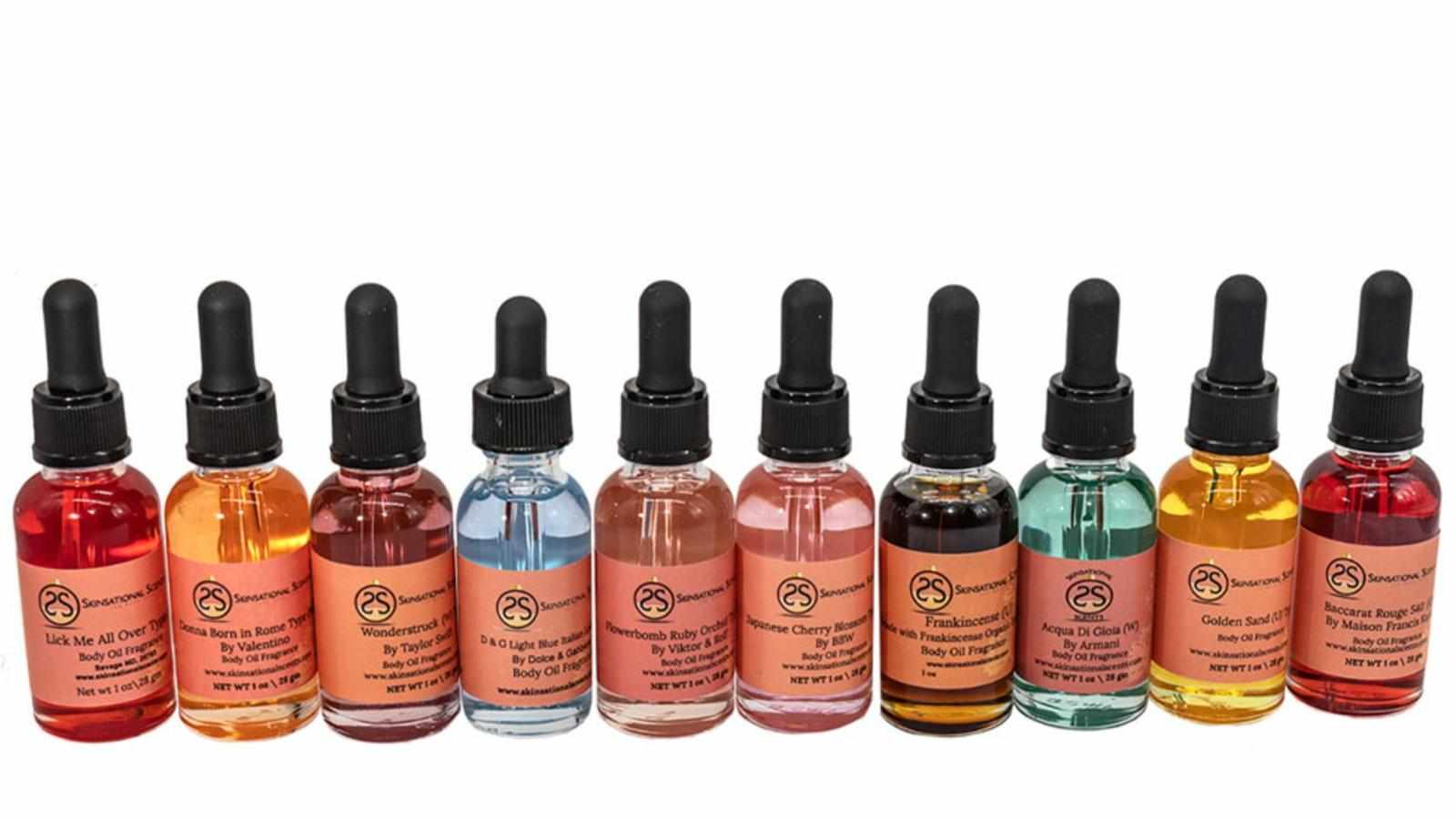
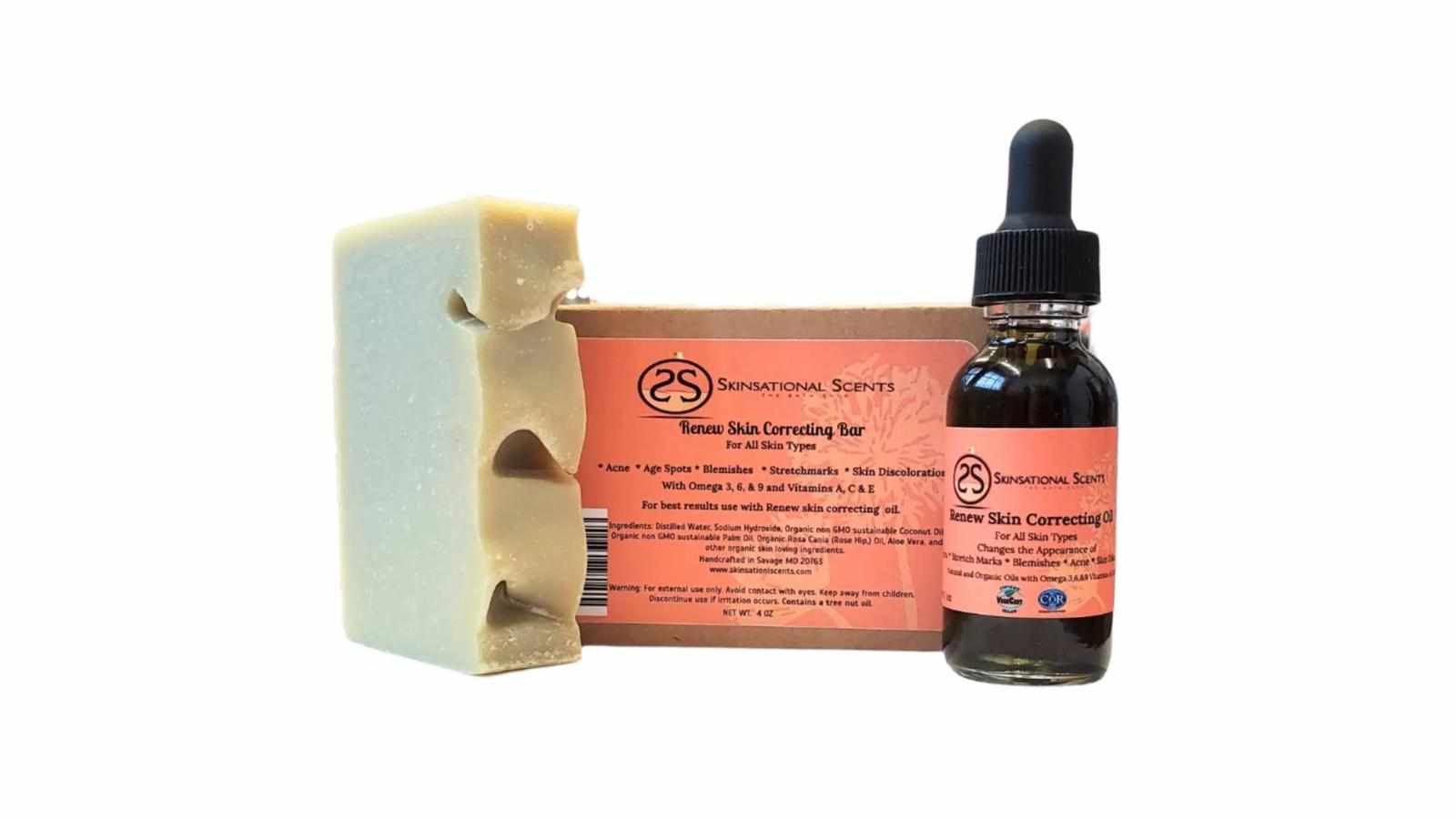
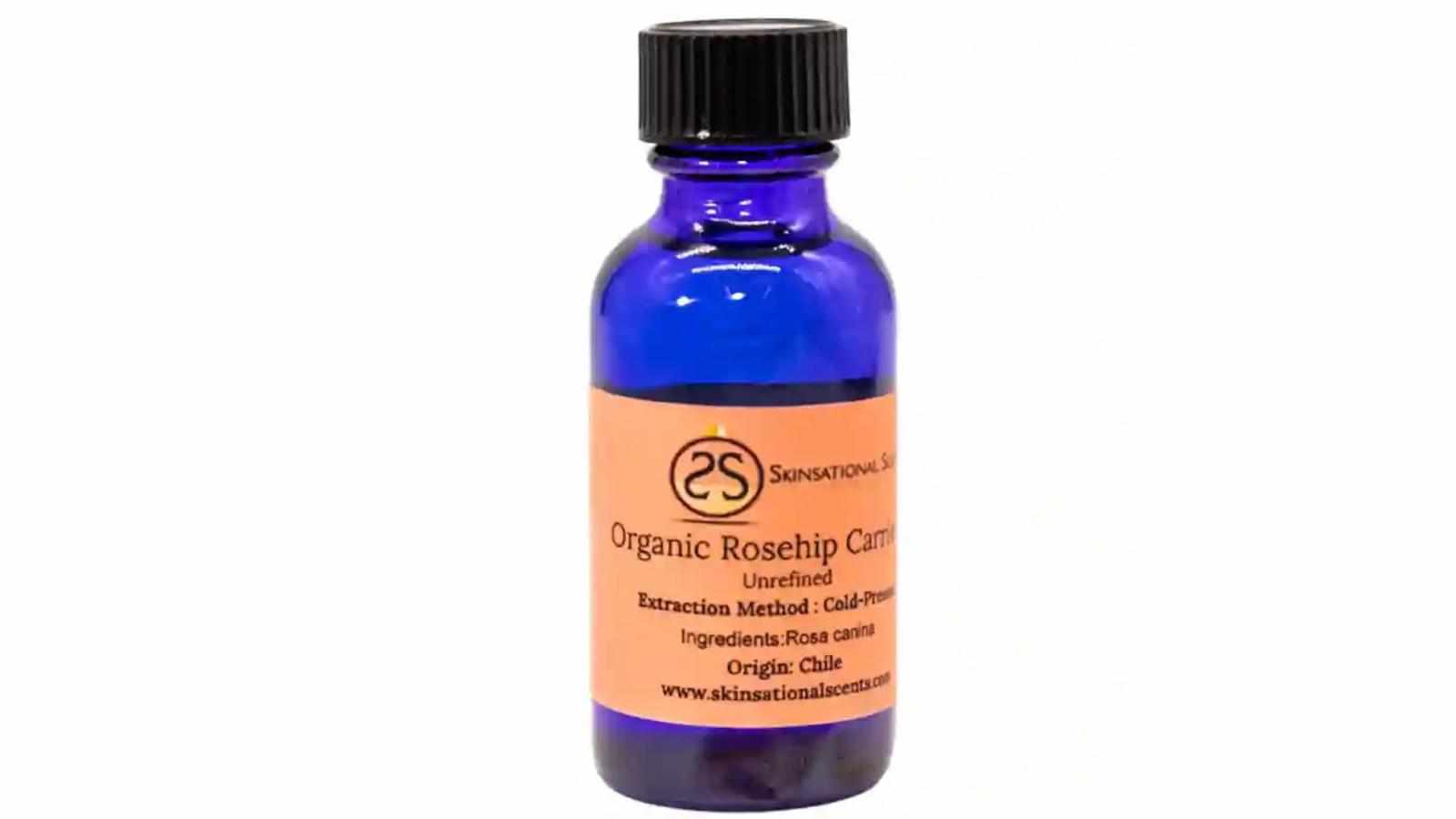
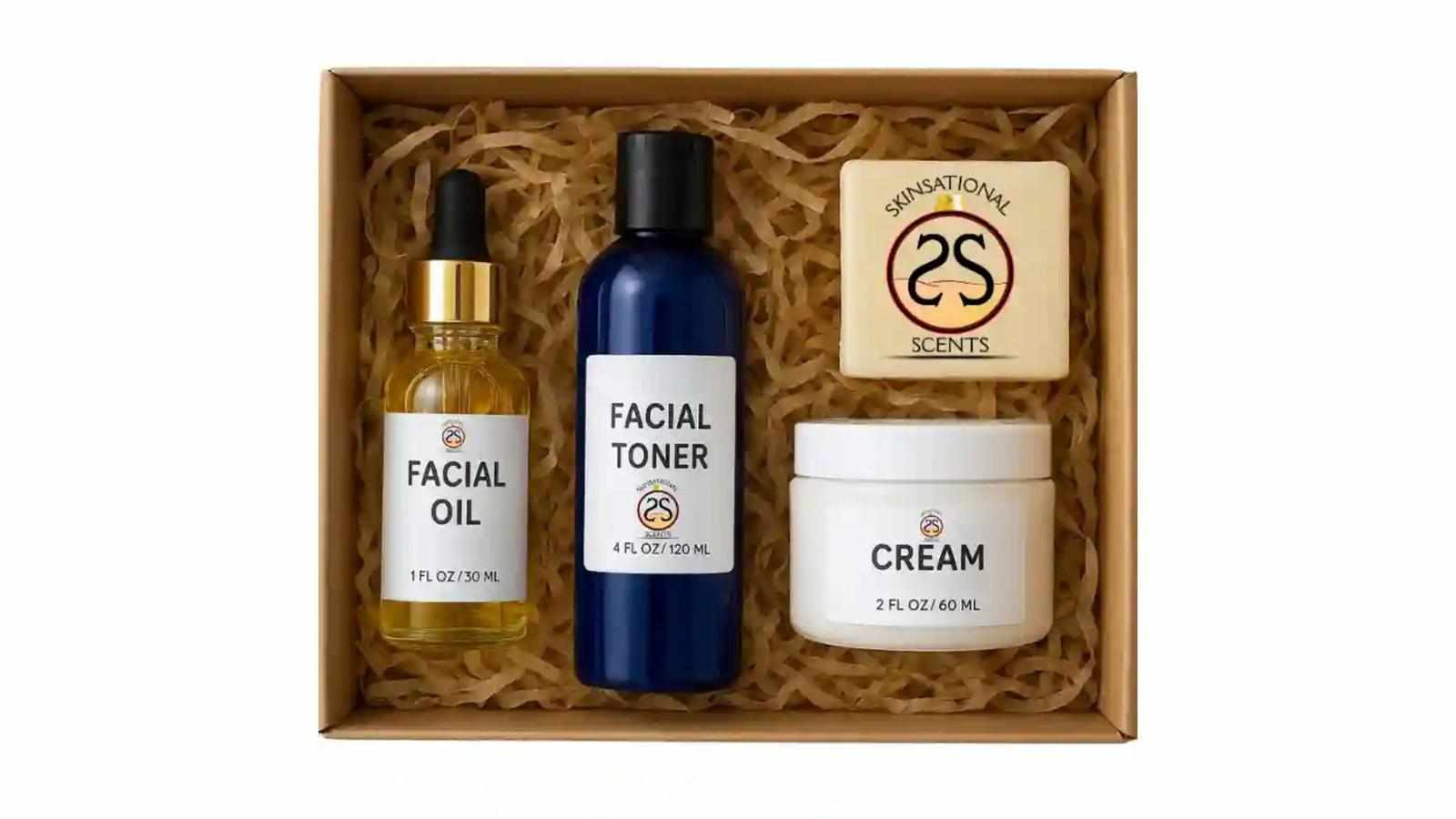
Skinsational Scents approaches skincare with a mindset that works well for parents: keep it clean, keep it gentle, and keep it personal. As a veteran-owned, family-operated business, they focus on small-batch products made with simple ingredients and thoughtful care. Their philosophy supports what baby skincare should be in the first place: calm, minimal, and made with real skin needs in mind.
For families who want a more grounded approach, Skinsational Scents offers a helpful reminder that skincare does not have to be complicated to be effective. Sometimes, the best routine is the one you can actually stick with, even on two hours of sleep.

Write a comment ...