
The skin on your face serves as a living, breathing barrier that often reacts violently to the harsh industrial detergents found in mass-produced cleansers. Switching to organic soaps solves persistent acne because these products replace synthetic surfactants and artificial fragrances with plant-based antimicrobials and soothing minerals that balance sebum production without stripping the moisture barrier. Many people find that the best organic soap for acne provides a deeper clean while simultaneously calming the inflammation that causes red, painful bumps. Natural glycerin stays intact during the organic soap-making process, ensuring your skin remains hydrated and less likely to overproduce oil in a defensive response.
The Problem With Commercial Cleansers
Most bars found on grocery store shelves aren't actually soap by legal definitions. They are synthetic detergent bars made from petroleum-based chemicals. These harsh agents remove every trace of oil from your face. Your skin responds by pumping out massive amounts of sebum to compensate for the dryness. This cycle creates a perfect breeding ground for bacteria.
Organic soaps use a process called saponification. Oils like olive, coconut, and hemp combine with an alkali to create a gentle cleanser. This method preserves the natural healing properties of the plants. You get a clean face without the tightness or irritation. Your pores stay clear because the ingredients are recognizable to your body's biology.
Balancing The Skin Microbiome
Healthy skin hosts a diverse ecosystem of beneficial bacteria. Harsh chemical washes wipe out these "good" microbes along with the bad ones. This leaves your skin vulnerable to acne-causing bacteria like P. acnes. Organic soaps maintain the slightly acidic pH level your skin needs to thrive.
Botany-based ingredients support a healthy microbiome. Raw honey and goat milk are common additions that feed beneficial bacteria. A balanced skin surface defends itself better against environmental pollutants. You see fewer breakouts because your skin's natural defenses are finally functioning correctly.
Key Ingredients to Look For
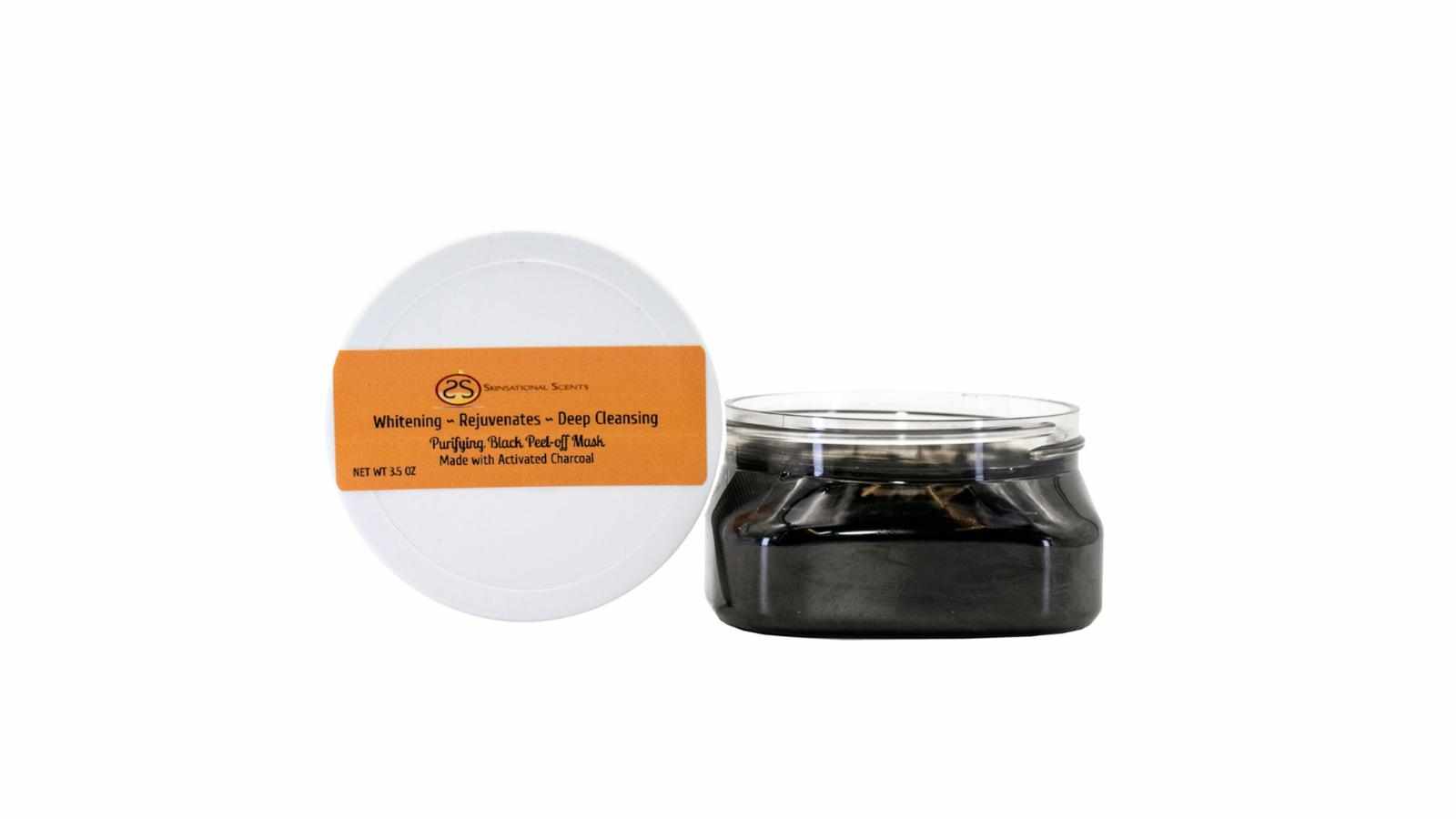
Activated Charcoal: Pulls toxins and excess oil out of deep pores.
Tea Tree Oil: Kills bacteria without causing chemical burns.
Turmeric: Reduces the swelling and redness associated with cystic acne.
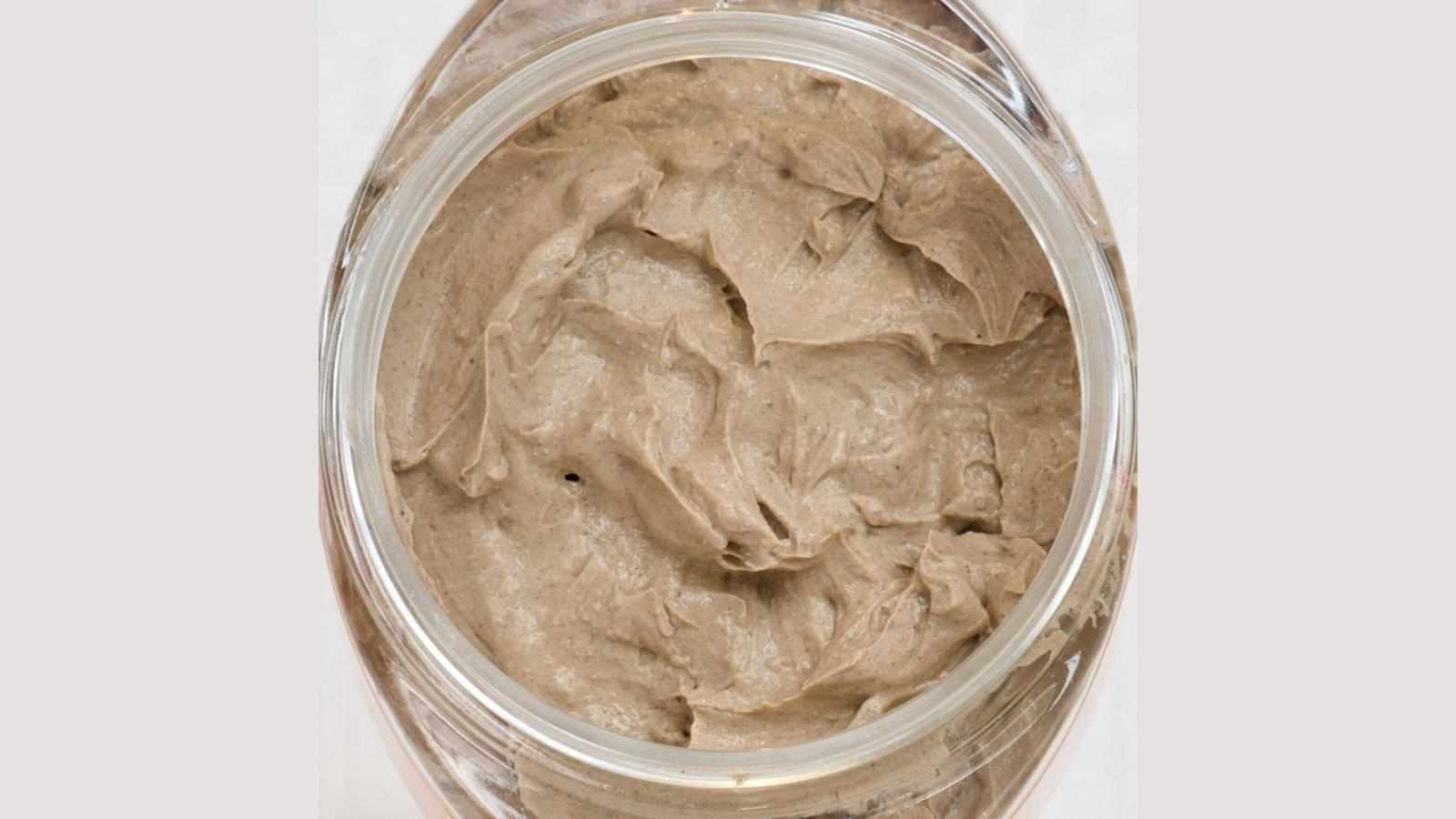
Bentonite Clay: Absorbs impurities and tightens the skin surface.
Neem Oil: Provides powerful antibacterial and antifungal protection.
What Is The Best Organic Soap For Eczema?
Acne isn't the only condition that benefits from a natural switch. People often struggle with overlapping issues like dry patches and itchy rashes. Finding the best organic soap for eczema requires looking for high concentrations of shea butter or colloidal oatmeal. These ingredients provide a protective film that locks in moisture for hours.
Calendula and chamomile extracts are excellent for soothing the "itch-scratch" cycle. Organic soaps for sensitive skin avoid the sulfates that trigger eczema flares. Clean skin shouldn't have to be itchy or inflamed. Using a soap that respects the skin's moisture barrier allows the dermis to repair itself naturally.
Avoiding The Trap Of Greenwashing
Marketing departments often use images of leaves and flowers to hide a chemical-heavy formula. Read the ingredient list carefully before making a purchase. Genuine organic soap will have a short list of recognizable names. Stay away from anything containing "sodium lauryl sulfate" or "parabens."
Certifications from reputable organizations help verify organic claims. Look for labels that mention cold-processed methods. This technique ensures the heat doesn't destroy the vitamins and antioxidants in the plant oils. Transparency is the hallmark of a brand that cares about your results.
How To Transition To Organic Soap
Your skin might go through a brief adjustment period. Chemical-laden products often leave a film that takes a few days to wash away. You might notice a slight change in the texture of your skin during the first week. This is simply your pores purging the old residue.
Stick with the routine for at least thirty days. Skin cells take about a month to turn over completely. You will likely see a significant reduction in active acne by the end of the second week. Your skin will feel softer and look less oily throughout the day. Consistency is the secret to seeing real change.
Do Natural Soaps Last As Long?
Handcrafted organic bars contain more glycerin than commercial bars. Glycerin attracts water, which is great for your skin but can make the soap soft if left in a puddle. Use a draining soap dish to keep the bar dry between uses. This simple step doubles the life of your soap.
Buying in bulk can help save money on high-quality organic options. Many artisans offer "ugly chunks" or ends of the loaves at a discount. These work just as well as the perfectly cut bars. You get the same premium ingredients for a fraction of the cost.
Achieving Lasting Clarity
Adult acne is often a sign of chronic irritation rather than just "dirty" skin. Stop attacking your face with harsh acids and start nourishing it with botanical fats. The results will speak for themselves as the redness fades and the texture smooths out. True skin health comes from working with nature, not against it.
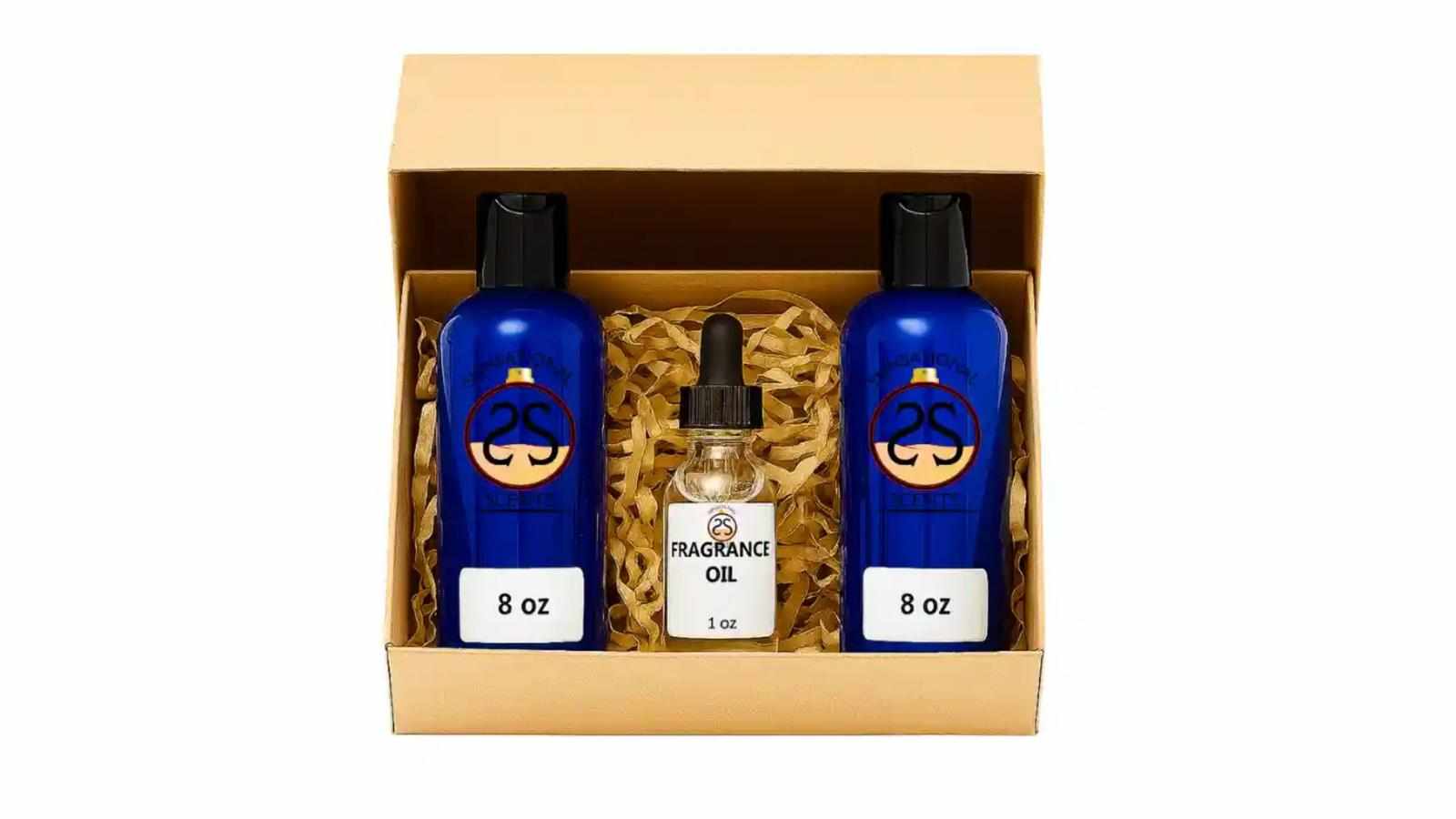
Skinsational Scents produces a variety of handcrafted cleansers to meet different skin needs. Their collection includes options formulated specifically for sensitive and blemish-prone complexions. Customers can easily find the best organic soap for acne through their online store. Choosing these natural alternatives provides a gentle yet effective path to a clearer and more radiant appearance.

Write a comment ...